Understanding Uterine Fibroids: Symptoms, Solutions, and Stories
Uterine fibroids are one of the most common yet under-discussed health conditions affecting women today. According to the National Institutes of Health (NIH), up to 80% of women will develop fibroids by the age of 50, although not all will experience symptoms. These non-cancerous growths can significantly affect a woman’s quality of life—from reproductive health to everyday comfort. Whether you’re newly diagnosed or simply want to learn more, understanding fibroids is a crucial step toward taking control of your health.
🌱 What Are Fibroids?
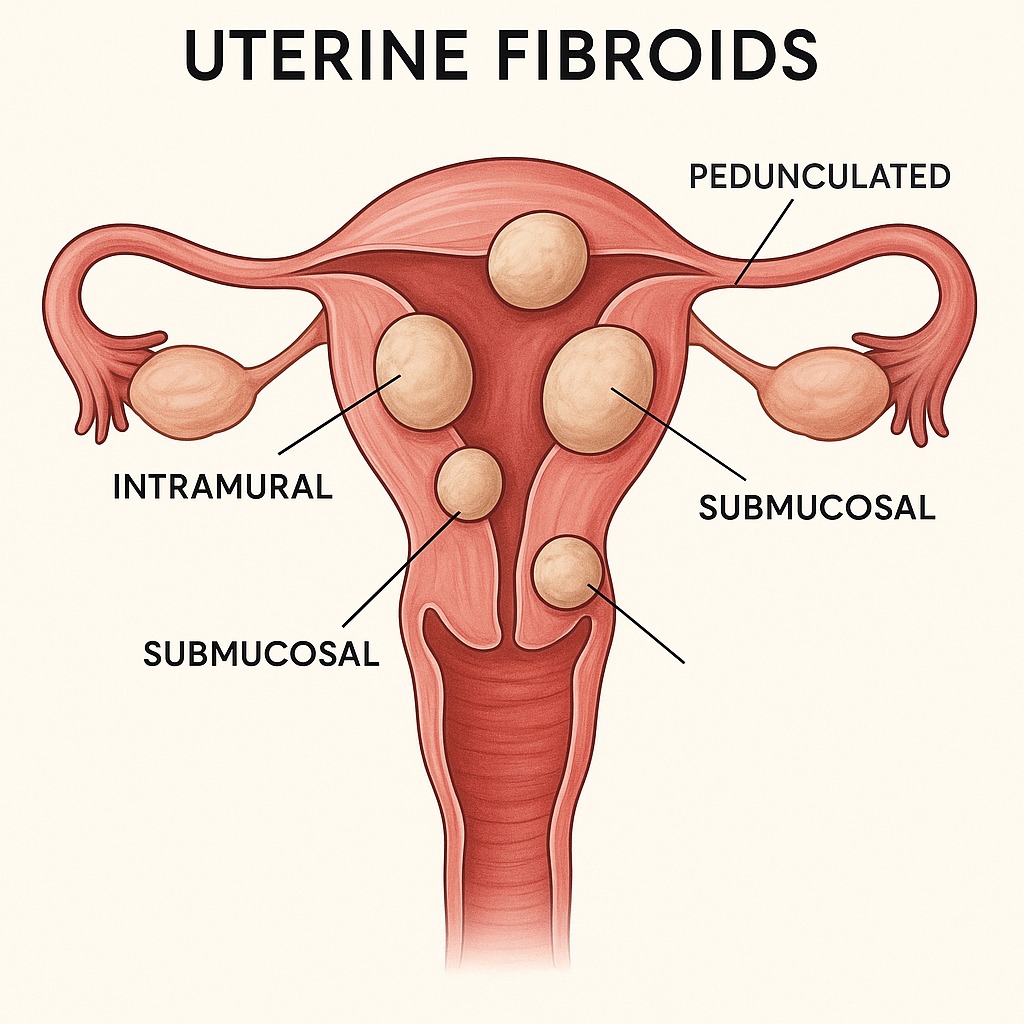
Uterine fibroids (also called myomas or leiomyomas) are non-cancerous growths that develop in or on the uterus. They range in size from a grain of rice to the size of a melon and can occur in different parts of the uterus:
-
Intramural – within the uterine wall
-
Subserosal – on the outer wall of the uterus
-
Submucosal – just under the uterine lining
-
Pedunculated – attached to the uterus by a stalk
⚠️ Signs and Symptoms
Many women with fibroids experience no symptoms at all. However, for others, fibroids can lead to:
-
Heavy or prolonged menstrual bleeding
-
Pelvic pain or pressure
-
Bloating and abdominal distension
-
Frequent urination or difficulty emptying the bladder
-
Pain during intercourse
-
Constipation
-
Back or leg pain
If you’re experiencing any of these symptoms, it’s essential to talk to a healthcare provider.
🧬 Who Is at Risk?
While any woman can develop fibroids, certain factors may increase your risk:
-
Family history (especially if your mother had fibroids)
-
African or Afro-Caribbean heritage
-
Early onset of menstruation
-
Obesity or a high BMI
-
Diet high in red meat and low in green vegetables, fruit, and dairy
-
Vitamin D deficiency
🔍 How Are Fibroids Diagnosed?
Doctors use several methods to diagnose fibroids:
-
Pelvic exam
-
Ultrasound (most common)
-
MRI (for more detailed imaging)
-
Hysterosonography or hysteroscopy (for submucosal fibroids)
💊 Treatment Options
The good news? There are many options for managing fibroids, ranging from lifestyle changes to surgical intervention.
🌿 1. Lifestyle & Natural Remedies
-
Diet rich in fruits, vegetables, whole grains, and lean protein
-
Exercise to balance hormones and reduce inflammation
-
Herbal supplements (e.g., vitex, turmeric, milk thistle — use with professional guidance)
-
Products like the Fibroid Buster can help support the body naturally in managing fibroid symptoms
💊 2. Medications
-
Hormonal birth control
-
GnRH agonists (to shrink fibroids temporarily)
-
NSAIDs for pain relief
-
Iron supplements (for anemia caused by heavy bleeding)
🏥 3. Procedures
-
Uterine artery embolization (UAE) – cuts off blood supply to the fibroid
-
Myomectomy – surgical removal of fibroids
-
Hysterectomy – complete removal of the uterus (permanent solution)
👩⚕️ Living with Fibroids
Fibroids can be frustrating, but you are not alone. Whether you choose natural remedies, medical treatment, or surgery, the key is being informed and proactive. Track your symptoms, advocate for your health, and don’t be afraid to ask your doctor questions.
Uterine fibroids may be common, but they don’t have to take control of your life. With the right knowledge, support, and treatment plan, you can find relief and reclaim your wellness journey.
Do you have experience with fibroids? Share your story in the comments, or reach out to learn more about natural solutions that could support your healing.